How to Use RDP with WiFi Mouse
Remote Desktop Protocol (RDP) lets you connect to and interact with a remote computer. This guide explains how to prepare an RDP server on Windows or Linux, explore third-party options for macOS, and connect using WiFi Mouse.
1. Enable Remote Desktop on Windows
Windows includes a built-in RDP server on supported editions, such as Pro, Enterprise, and Education. Windows Home generally cannot act as a host using Microsoft's built-in Remote Desktop feature.
Step 1: Open Remote Desktop settings
Open Windows Settings and search for Remote Desktop. On supported Windows editions, open the Remote Desktop settings page. You can also search for "Allow remote access to your computer" on Windows versions that provide that option.

Step 2: Enable Remote Desktop
Turn on Remote Desktop and confirm the change when Windows prompts you. Make sure the computer is awake and connected to your local network.
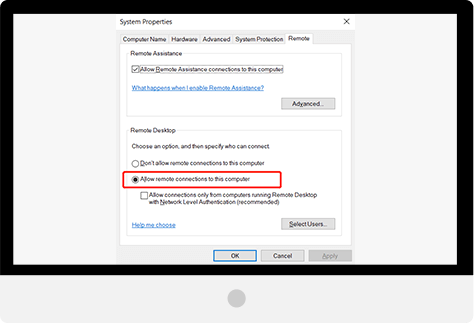
Windows Home users: If Remote Desktop hosting is unavailable on your edition, consider a supported remote-access solution. The third-party RDP Wrapper project has historically been used for this purpose, but it is not an official Microsoft feature and may break after Windows updates.
If you are researching RDP Wrapper, its source and release information are available here:
Only download software you trust, review its security implications, and understand that third-party tools may not be compatible with every Windows build. Do not disable security protections to make them work.

2. Set Up an RDP Server on Linux
On many Debian- or Ubuntu-based systems, you can use xrdp to provide RDP access. The exact setup depends on your distribution and desktop environment.
Install and start xrdp
Open a terminal and run:
sudo apt update
sudo apt install xrdp
sudo systemctl enable --now xrdp
Check the service status:
systemctl status xrdpIf the service does not start or the login screen does not work, consult the documentation for your Linux distribution and desktop environment.
These commands are intended for Debian/Ubuntu-based systems. CentOS, Fedora, and other distributions may require different package-management commands and additional configuration.
3. RDP Options for macOS
macOS does not provide a general-purpose built-in RDP server equivalent to Windows Remote Desktop hosting. To accept incoming RDP connections, you need a compatible third-party RDP server application.
Before installing one, verify that it supports your macOS version, provides the server functionality you need, and comes from a source you trust. Follow the application's official setup instructions.
4. Connect Using WiFi Mouse
After the target computer's RDP server is configured and running, follow these steps in WiFi Mouse.
Step 1: Connect to your computer
Open WiFi Mouse and connect to the computer you want to control. Once connected, tap the RDP icon to open the remote desktop connection screen.

Step 2: Enter your credentials
Enter the username and password required by the remote computer's RDP server, then start the connection. The required username format may vary by operating system and server configuration.

5. Troubleshooting and Security
If WiFi Mouse cannot connect to the RDP server, check the following:
- Confirm the server is running. Verify that Remote Desktop or xrdp is enabled and that the target computer is awake.
- Check network reachability. Ensure your phone and computer can communicate over the network. Guest Wi-Fi and client-isolation settings may prevent connections.
- Check firewall rules. The default RDP port is TCP 3389. Depending on the server implementation and configuration, additional protocols may be used. Allow only the traffic required by your setup.
- Verify credentials. Confirm the username, password, and permissions required by the remote system.
- Check server compatibility. Windows edition restrictions, Linux desktop configuration, and third-party server limitations can affect whether a connection succeeds.
Security tip: Avoid exposing RDP directly to the public internet by forwarding port 3389 on your router. Prefer access through a trusted local network or a properly configured VPN, and keep the remote computer updated.